BARCELONA
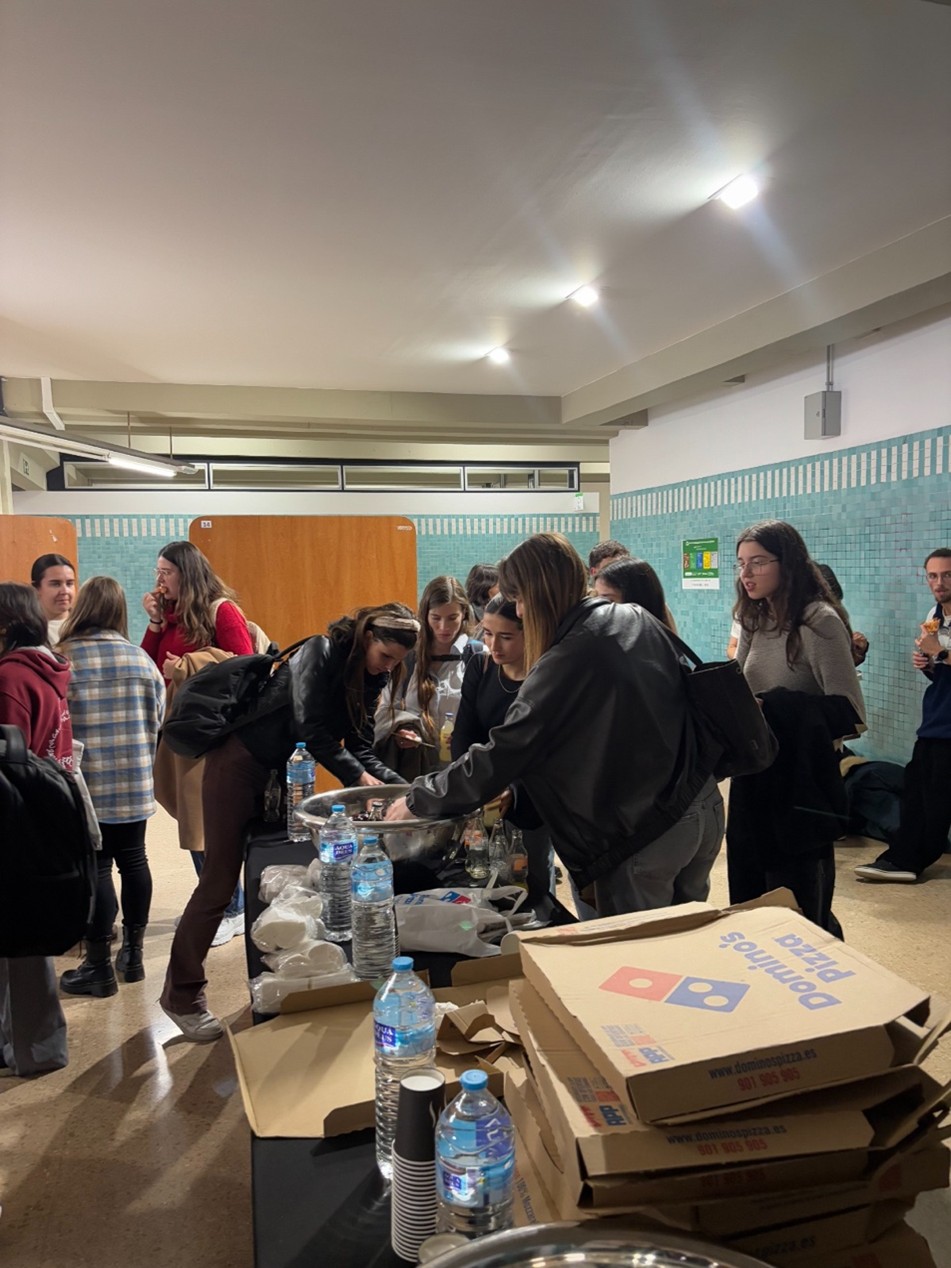
An afternoon of biophysics at AUB.
The Universitat Autònoma de Barcelona participated in the Biophysics Week 2025 celebrations, joining the “Biophyzza Connection” initiative organized by the Spanish Biophysical Society (https://sbe.es/biophyzza/), with the support of the Facultat de Biociències, the Institute of Biotechnology and Biomedicine (IBB UAB), and sponsorship from Domino’s Pizza.
On March 25th at 5 pm, the event took place at Sala de Graus I of the Faculty of Biosciences. The activity was organized by the Protein Folding and Conformational Diseases Group, aiming to bring biophysics closer to undergraduate and graduate students in a dynamic and accessible format.
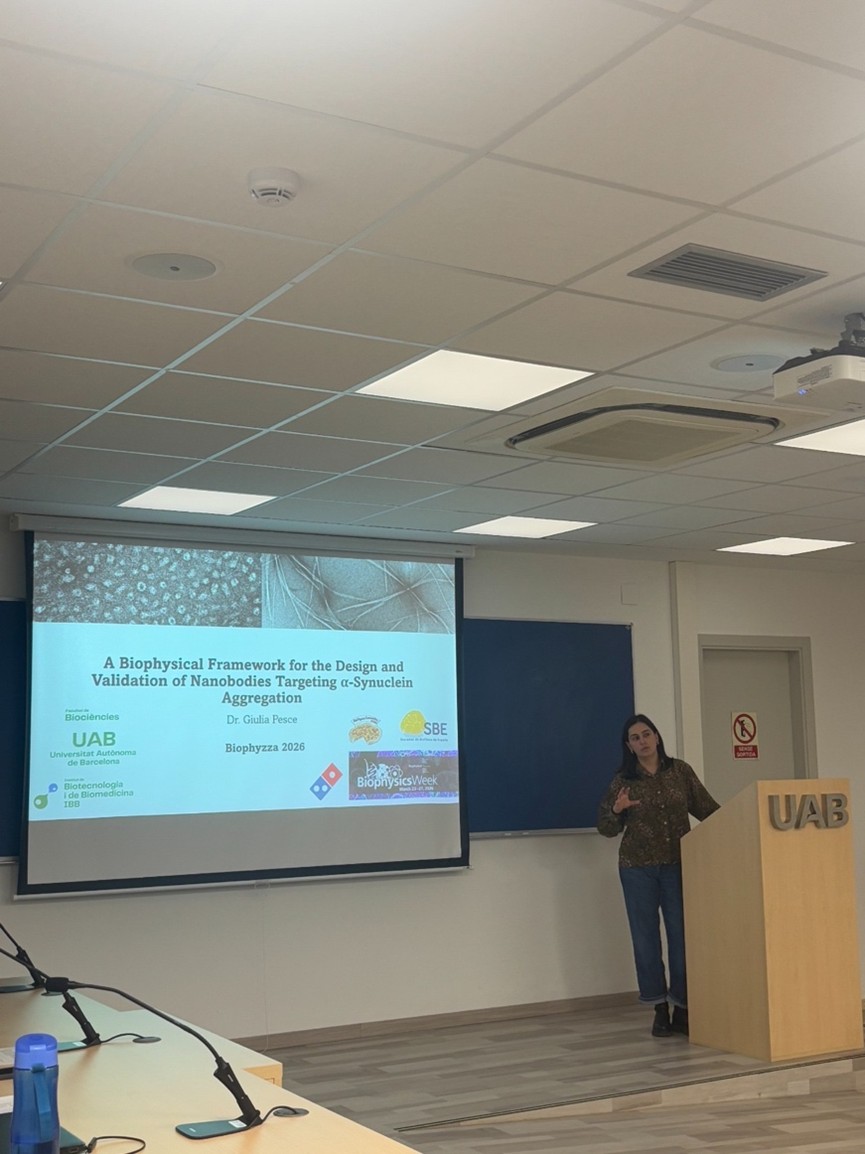
During the session, Dr. Èric Catalina, Dr. Giulia Pesce, and Dr. Nathalia Varejão delivered short talks presenting their research in the field, showcasing current approaches to protein science and conformational diseases. The event created an engaging environment that encouraged interaction between speakers and attendees.
The session continued in a relaxed atmosphere, where participants had the opportunity to discuss science informally while enjoying pizza and drinks. The event concluded with a short game and a prize, further contributing to the lively and participatory spirit of the activity.
A very positive turnout was observed, with over 80 participants attending and strong student engagement throughout the event.
BILBAO
Ven a conocer nuestras instalaciones.
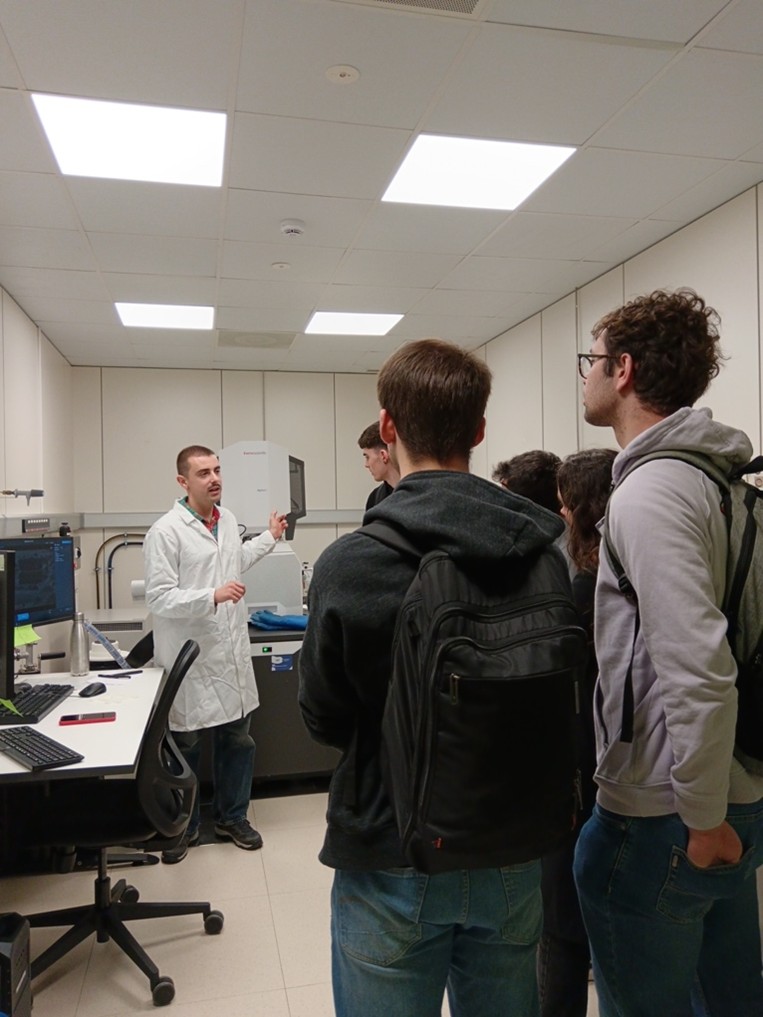
The Instituto Biofisika joined the Biophyzza Connection by welcoming a group of UPV/EHU students to explore its facilities and learn about the research carried out at the centre. During the visit, they toured several laboratories and discovered different scientific lines.
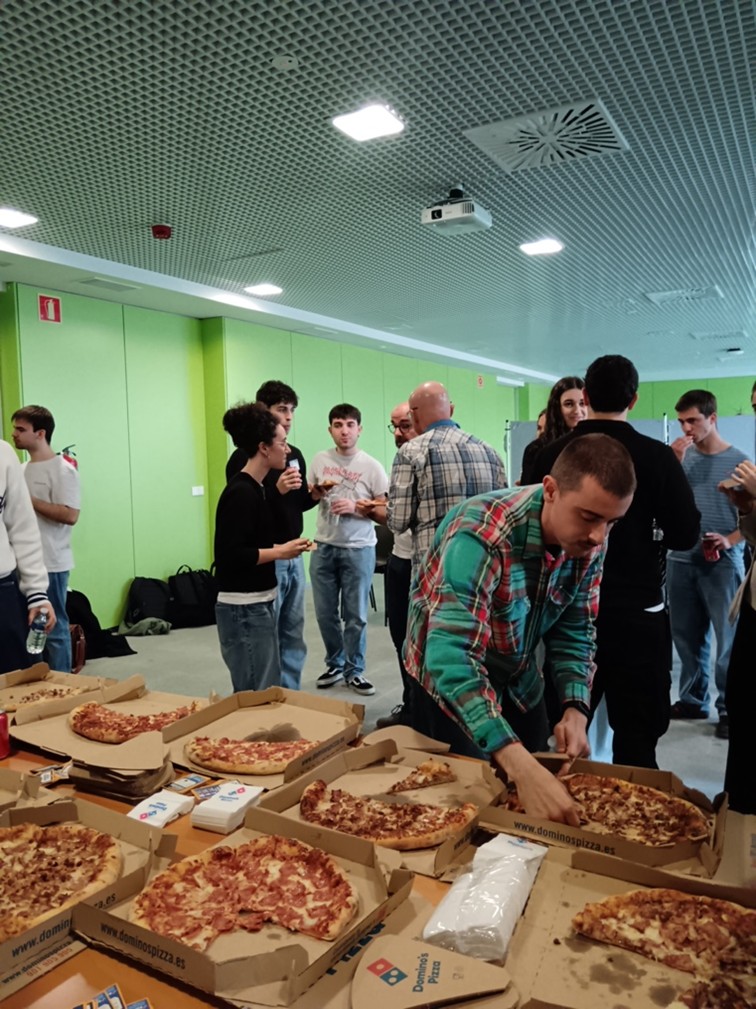
After the tour, the students met informally with IBF Principal Investigators, creating a relaxed space for conversation and questions. This gathering allowed them to discuss scientific careers, research interests, and daily life in a research institute, strengthening their connection with the scientists working at Biofisika.
ELCHE
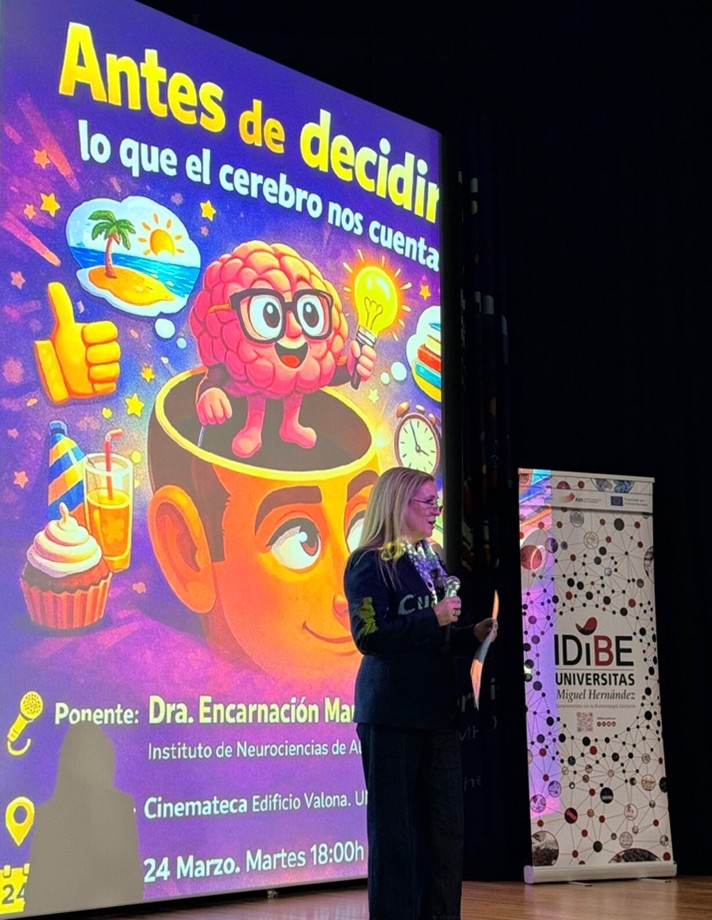
Antes de decidir: lo que el cerebro nos cuenta.
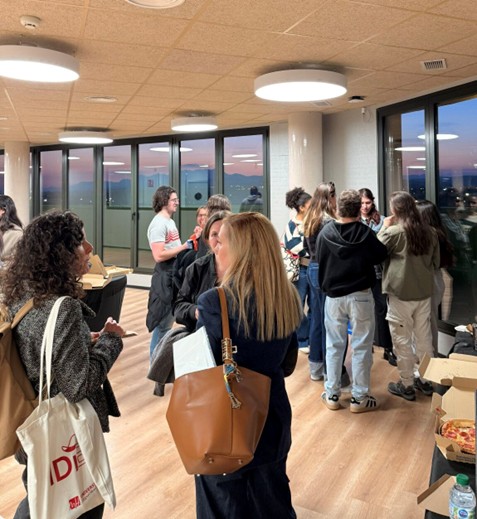
On Tuesday, March 24, the Institute for Research in Biotechnology and Health (IDiBE) and the University Miguel Hernández (UMH) hosted the Biophyzza Connection event in Elche as part of Biophysics Week 2026. Organized by the Spanish Society of Biophysics (SBE), the event details are available online at https://sbe.es/biophyzza/. The activity was coordinated by Ana María Fernández Escamilla, researcher at IDiBE, and formally introduced by Antonio Ferrer Montiel, Director of the Institute.
The session proved to be a resounding success, attracting an enthusiastic and diverse audience composed of university students, doctoral researchers, and members of the general public. The participants’ engagement highlighted the growing interest in biophysics both within academia and beyond the scientific sphere.
The program included a lecture by Dr. Encarni Marcos Sanmartín, from the Neural Network Plasticity research group at the Alicante Institute of Neuroscience (UMH–CSIC), entitled “Before Deciding What Our Brain Tells Us.” The presentation inspired a lively and stimulating discussion, which later continued informally on the rooftop terrace of UMH’s Valona Building—offering a splendid view of the sunset and the iconic palm grove of Elche. The event concluded convivially with pizza provided by Domino’s, fostering the scientific dialogue.
GRANADA
Biofísica actual con sabor granadino
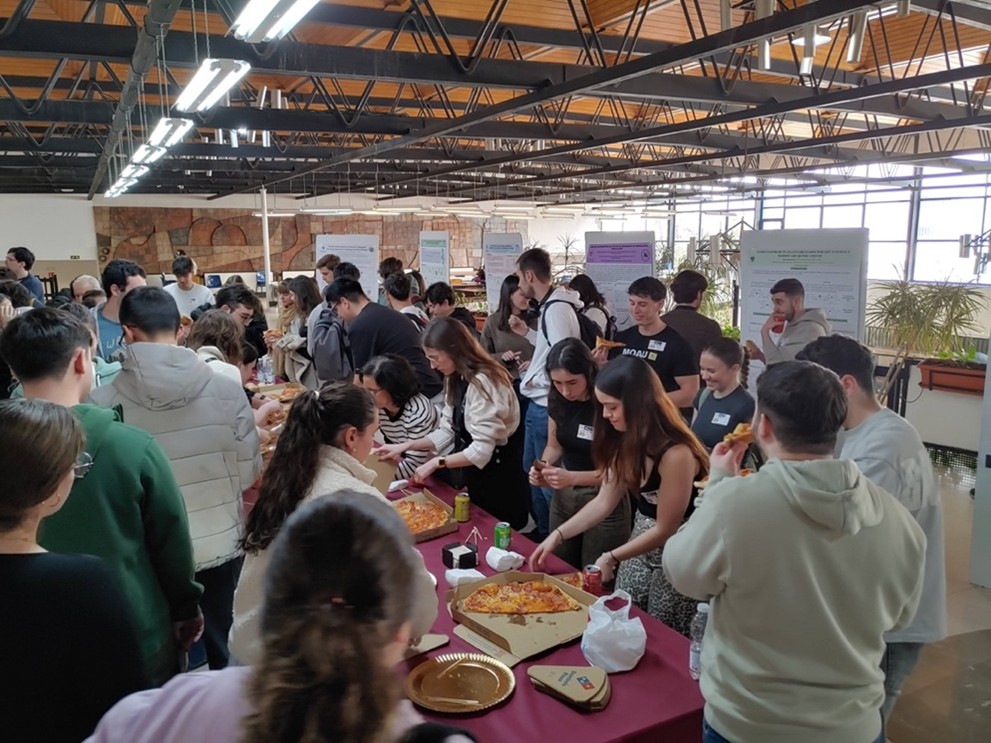
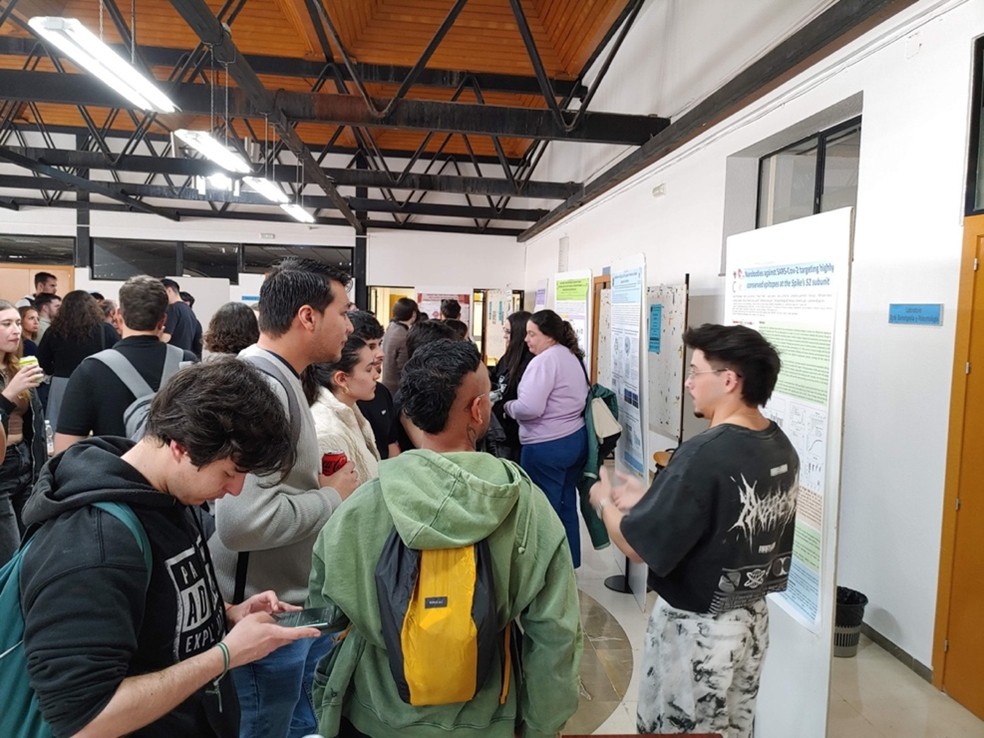
The “Biophyzza Connection” party was held on March 20, 2026, at the Faculty of Sciences of the University of Granada as part of the Biophysics Week activities. The event, entitled “Current Biophysics with a Granada’s flavor”, was supported by the Faculty of Sciences and sponsored by Domino’s Pizza, Grontal Soluciones Biotecnológicas SL and DICSA SL. It was a great success, with over 60 undergraduate and master’s students of Chemistry, Biochemistry and Biotechnology registered, enjoying cutting-edge biophysics research, pizzas, tapas and drinks. Twelve predoctoral students and early-career postdocs presented their research projects about Biophysics in a poster session, where students showed great interest and engaged in highly interactive discussion with the researchers.
JEREZ
Your Body: A Biophysical System?
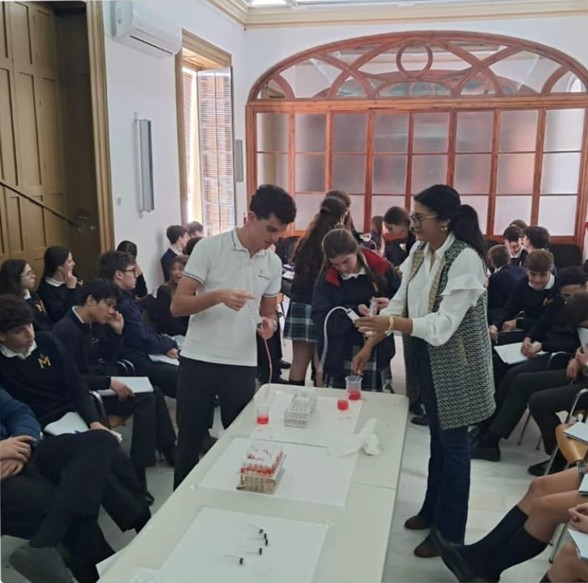
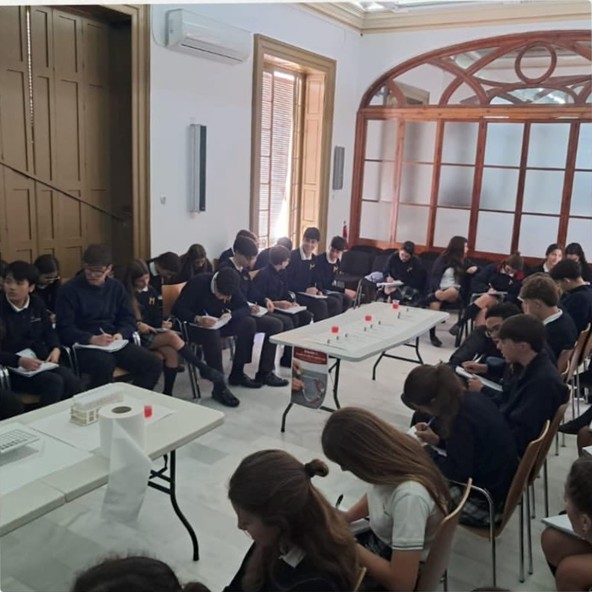
This workshop aimed to bring biophysics into pre-university classrooms by introducing students to approaches and hands-on experiences typical of this field, usually found in university or research settings. The activity was carried out at the Montaigne schools in Jerez and Seville with students in the final year of compulsory secondary education (4th year of ESO) and sixth form (Bachillerato).
Through rotating stations, students explored experimentally how physical laws can be used to explain fundamental processes in the human body, understanding the organism as a system governed by principles such as pressure, flow, diffusion, and energy. They investigated how vessel diameter affects blood circulation and how small variations can have a significant impact on flow, with implications for phenomena such as hypertension; they studied the limitations of diffusion using agar gel and why larger organisms require circulatory systems; and they modelled lung mechanics using syringes to explore the pressure–volume relationship that enables ventilation.
This experience introduced biophysics at an early educational stage and highlighted its potential to integrate and explain the functioning of the human body from a quantitative and experimental perspective.
Jóvenes Investigadores de la SBE (JI-SBE)
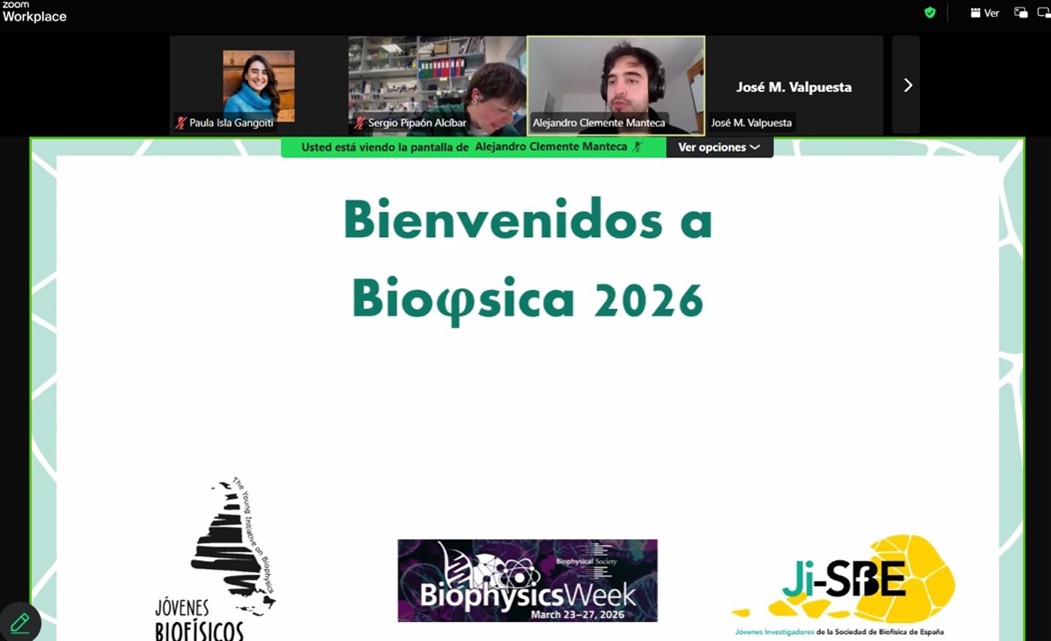
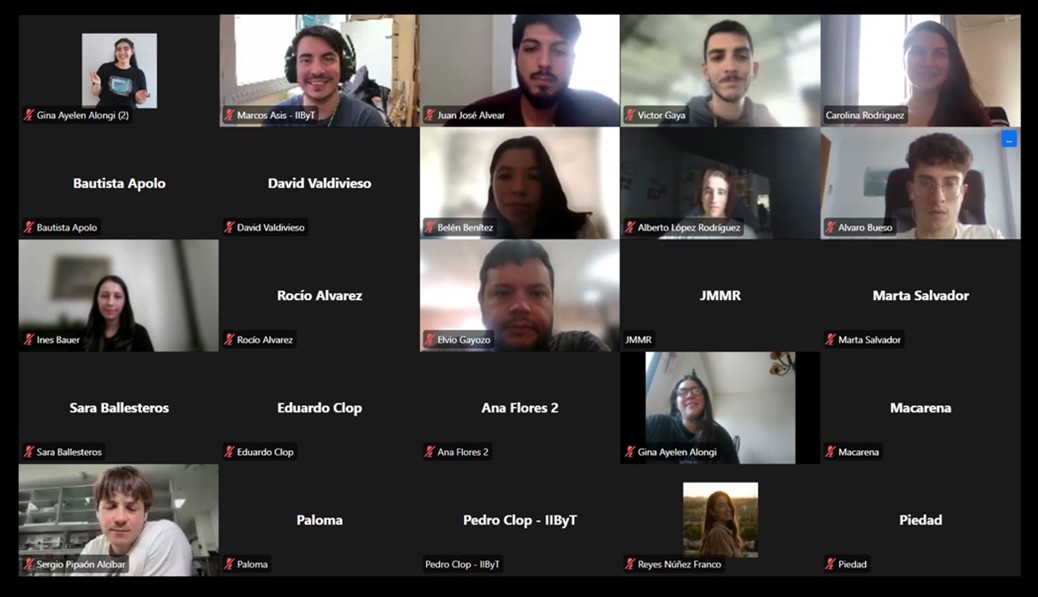
Bio(phi)sica 2026 was an online seminar series designed for early-career scientists, bringing together young researchers to share their work in biophysics. The event featured high-quality talks across diverse topics, attracting a strong audience of around 35 attendees. As in previous editions, speakers prepared graphical abstracts that were later shared through the social media channels of Ji-SBE, the young section of the Spanish Biophysical Society. This year, the event was organized in collaboration with the Young Biophysicists of Argentina, further strengthening international exchange and engagement within the community.
MADRID
Inteligencia Artificial en ciencia y biofísica ¿Angel o Demonio?
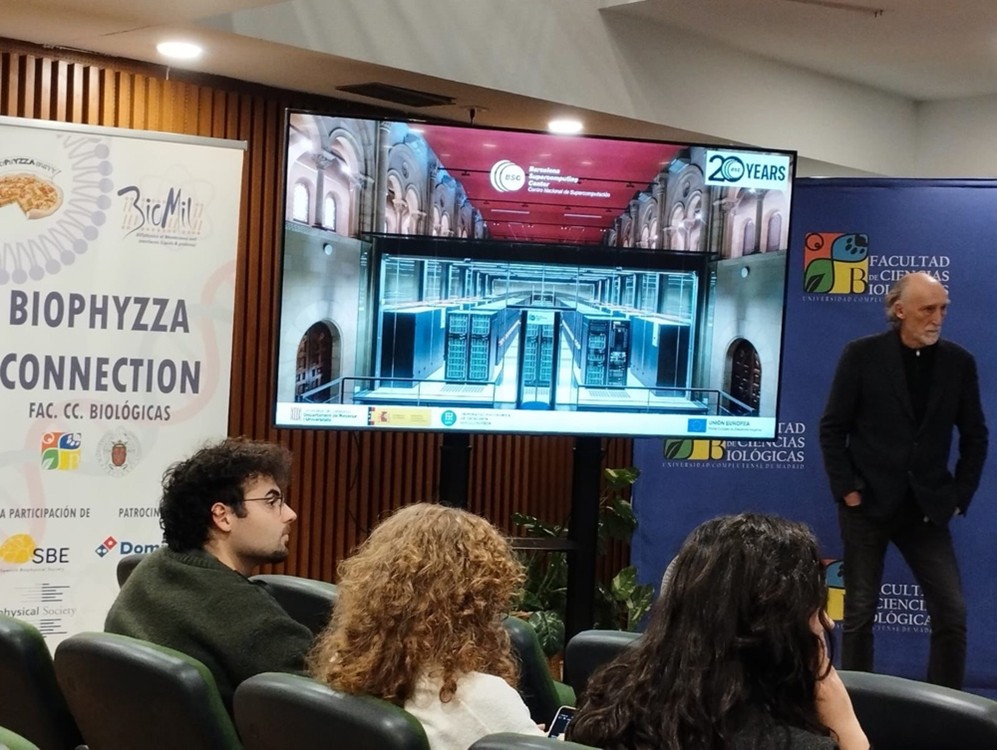
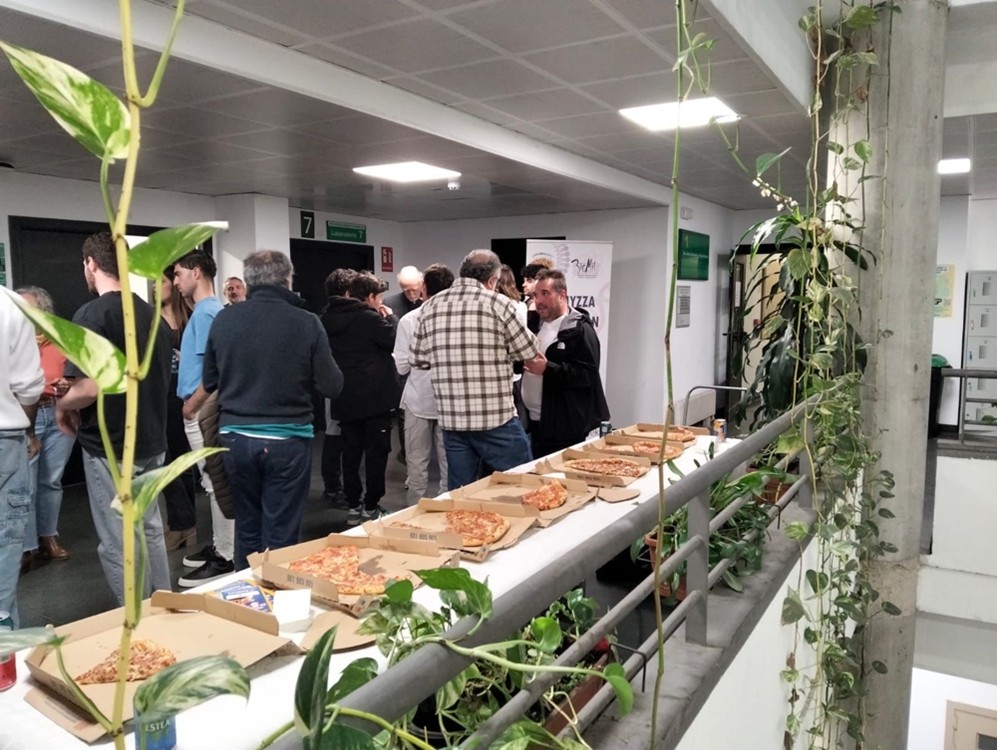
In Madrid, Alfonso Valencia, from the Barcelona Supercomputing Center, offered to the audience at the Faculty of Biology of Complutense University an overview of the situation of the different levels of Artificial Intelligence up to the most advanced Generative AI and the ultimate generation of AI based on Agents, applied to science in general and Biophysics in particular. That opened a very active and hot debate on what the immediate future is bringing and what to expect on the extensive use of AI in many contexts, which continued around drinks and pizzas.
PALMA DE MALLORCA
From microbes to motion: what’s physics got to do with microscopic life?
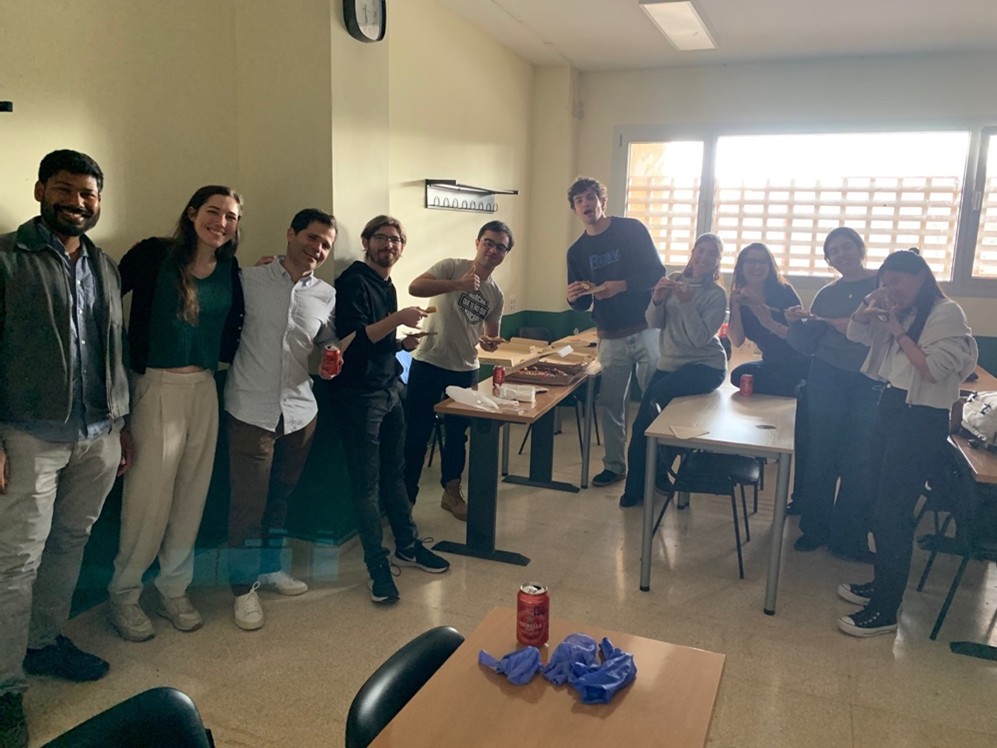
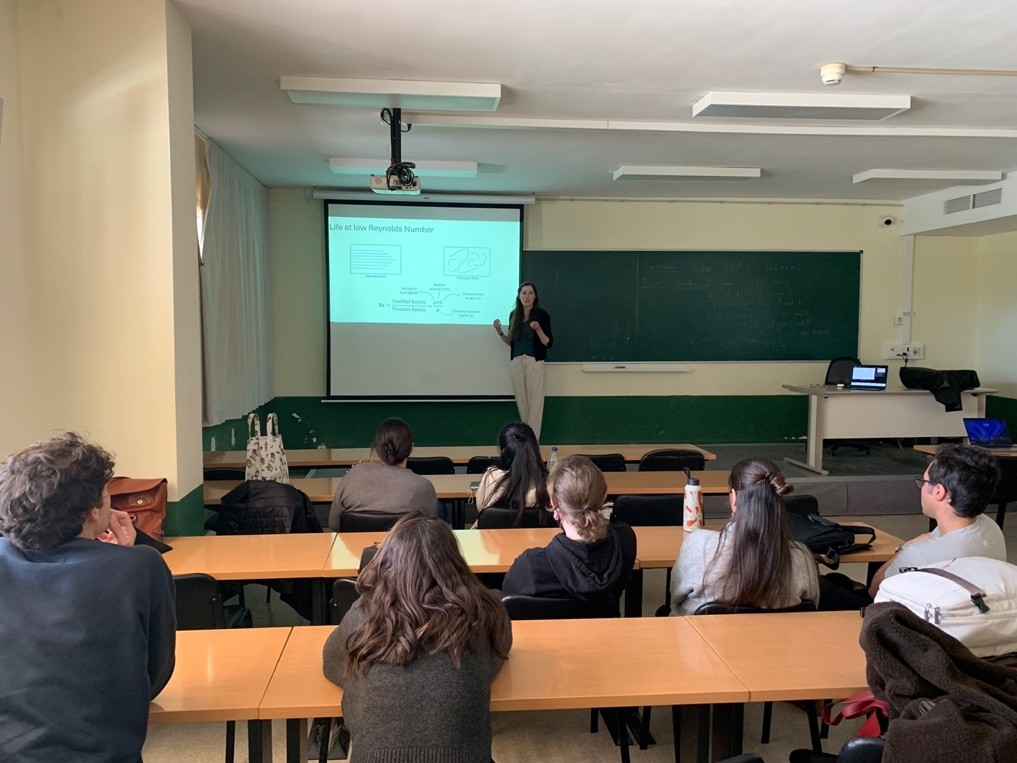
On Friday March 27, the Mediterranean Institute for Advanced Studies (IMEDEA) together with the University of the Balearic Islands (UIB), joined the 2026 Biophyzza Connection with the first ever event rganized within the Balearic Islands. The Biophyzza Connection, rganized by the Spanish Biophysical Society and co-sponsored by Domino’s pizza, celebrates the International Biophysics Week.
This year our event was a three-pronged affair geared towards young physics students. We stated with three mini-talks by Marco Polin (Investigador Científico CSIC), Ludivine Sanchez Arias (soon to be MSCA Postdoctoral Fellow) and Sujeet Kumar Choudhary (Margalida Comas Postdoctoral Fellow). Starting from cells and microorganisms, we talked about motility, sensing, responses to environmental stimuli. We engaged the students with hands-on experiments on bioluminescence and phototaxis and topped it off with some yummy pizza and a lively informal chat with the students.
It was a success and we’re already looking forward to next year’s edition!
SALAMANCA
Biofísica en Salamanca.
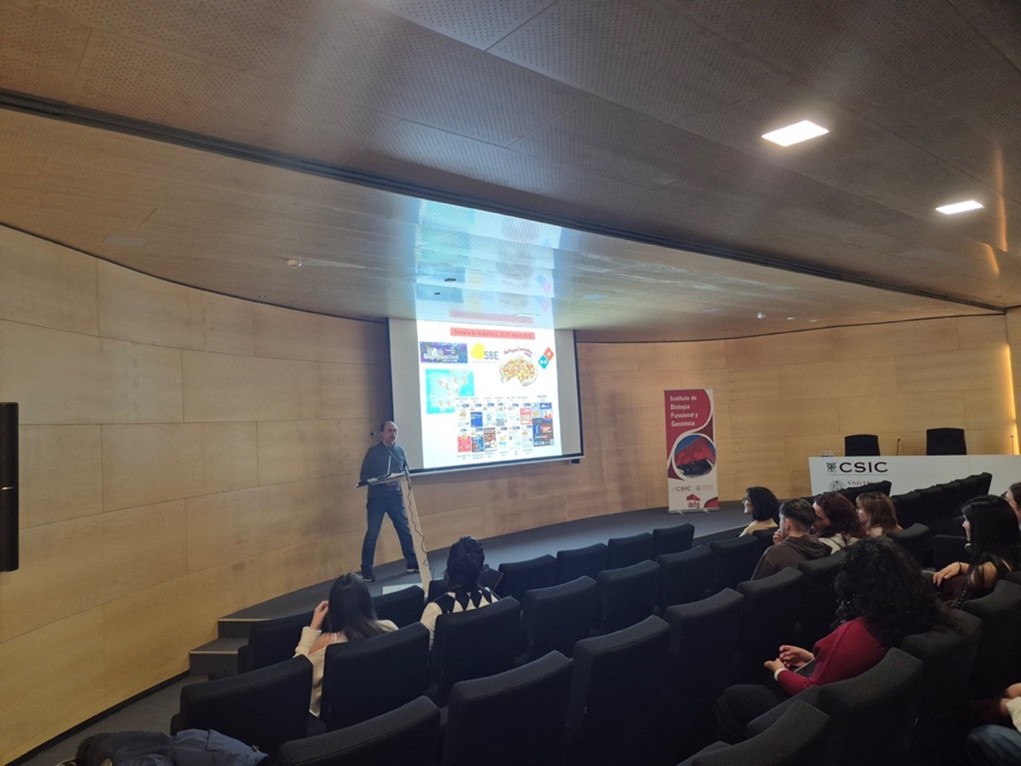
Salamanca joined the Biophyzza Connection 2026 with a fully booked event hosted at the IBFG (CSIC‑USAL) and promoted by the Salamanca Structural Biology and Biophysics Consortium, as part of the Spanish Biophysical Society’s activities for the international Biophysics Week. Participants enjoyed two short talks, one introducing molecular optical trapping and another focused on molecular affinity, followed by a live demonstration of optical tweezers. The evening ended with a lively pizza party. Interest far exceeded capacity, so a second session is being considered.
SAN SEBASTIÁN
La ciencia en miniatura que puede cambiar el futuro de la fertilidad.
Librerías de proteínas: ¿qué son y cómo usarlas contra los virus?
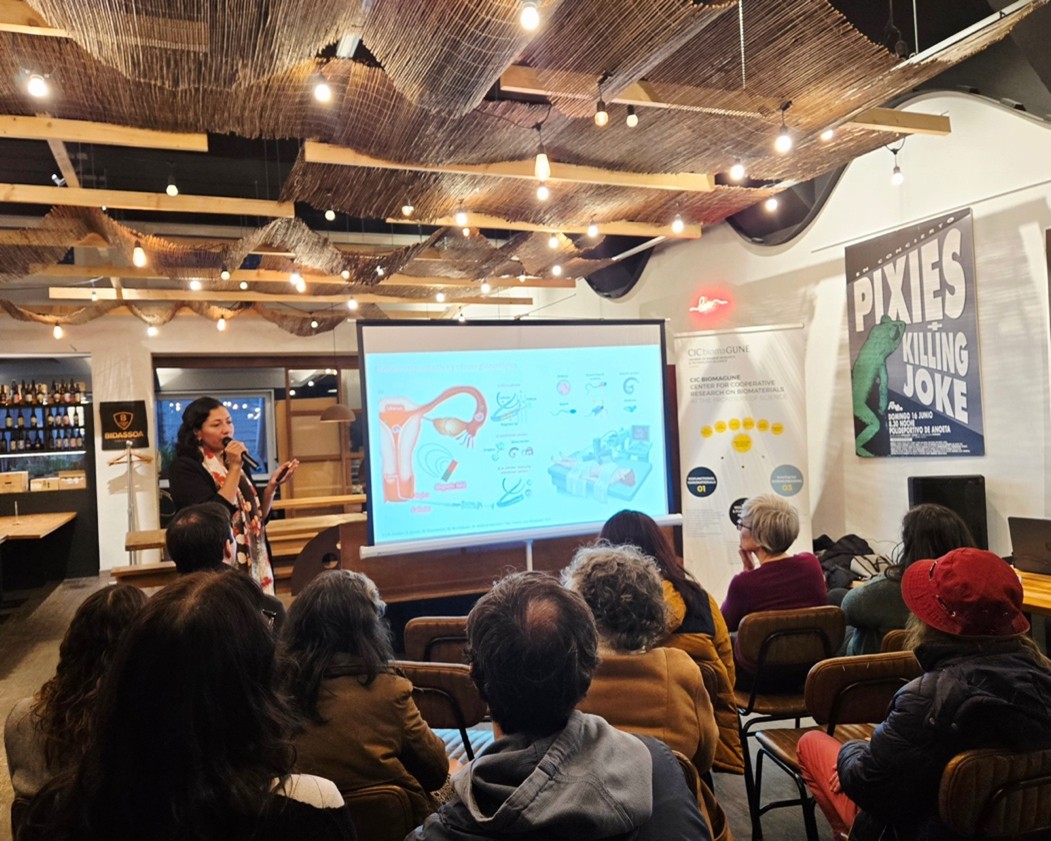
Scientific outreach returned to Donostia–San Sebastián with a new edition of Biophyzza Connection held as part of Biophysics Week.
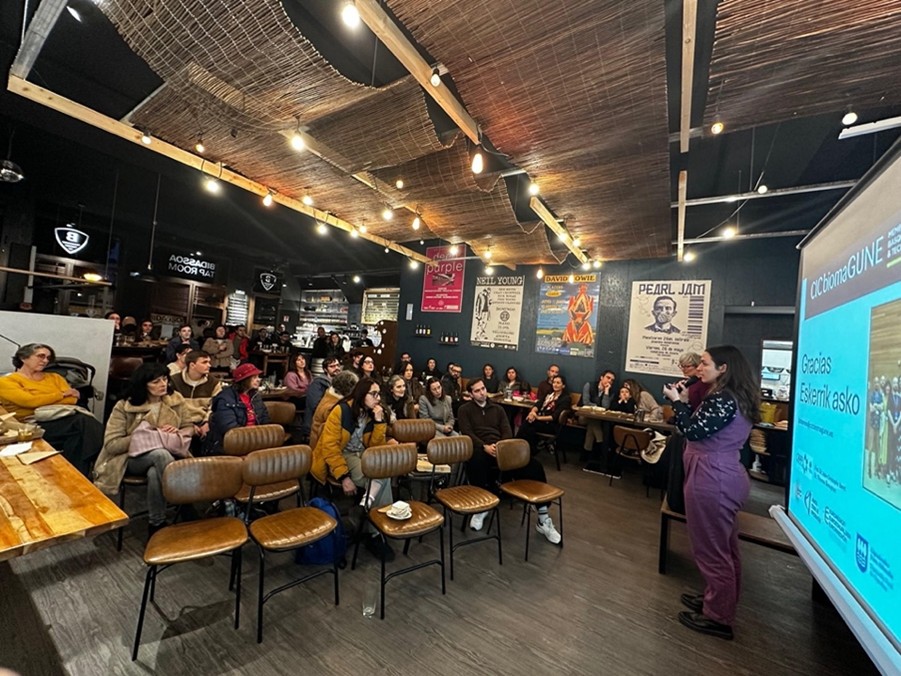
This year’s edition took place at Bidassoa Taproom in the Gros neighborhood, where attendees gathered to enjoy two short talks delivered by local researchers. Mariana Medina, group leader of the Nanobiosystems group at CIC nanoGUNE, presented her work on nanorobots applied to fertility treatments, offering insight into how advances in nanoscience may open new possibilities in reproductive medicine. Liliana Teixeira, postdoctoral researcher at the Biomolecular Nanotechnology Laboratory at CIC biomaGUNE, followed with a talk on protein libraries and their potential in the fight against viral diseases, highlighting innovative approaches at the intersection of biology and nanotechnology.
Organized by the Spanish Biophysical Society with the support of CIC biomaGUNE and Domino’s Pizza, and in collaboration with Bidassoa Taproom, the event highlighted the value of bringing scientific knowledge into everyday spaces and engaging directly with society.
SEVILLA
Your Body: A Biophysical System?
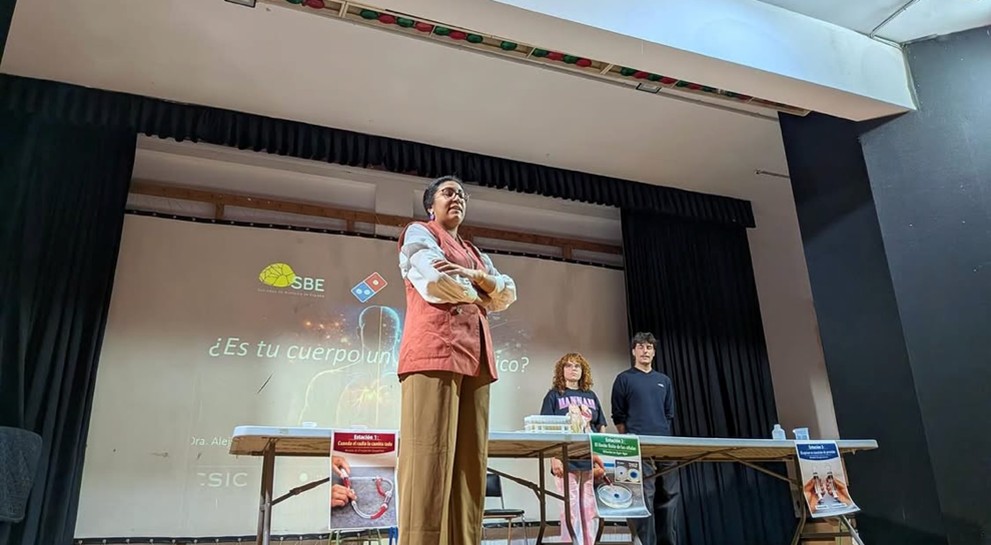
This workshop aimed to bring biophysics into pre-university classrooms by introducing students to approaches and hands-on experiences typical of this field, usually found in university or research settings. The activity was carried out at the Montaigne schools in Jerez and Seville with students in the final year of compulsory secondary education (4th year of ESO) and sixth form (Bachillerato).
Through rotating stations, students explored experimentally how physical laws can be used to explain fundamental processes in the human body, understanding the organism as a system governed by principles such as pressure, flow, diffusion, and energy. They investigated how vessel diameter affects blood circulation and how small variations can have a significant impact on flow, with implications for phenomena such as hypertension; they studied the limitations of diffusion using agar gel and why larger organisms require circulatory systems; and they modelled lung mechanics using syringes to explore the pressure–volume relationship that enables ventilation.
This experience introduced biophysics at an early educational stage and highlighted its potential to integrate and explain the functioning of the human body from a quantitative and experimental perspective.
TENERIFE
ESCRT Machinery: The Mechanism Behing Cell Membrane Repair.
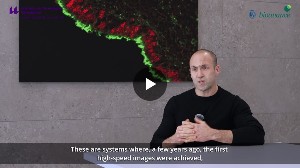
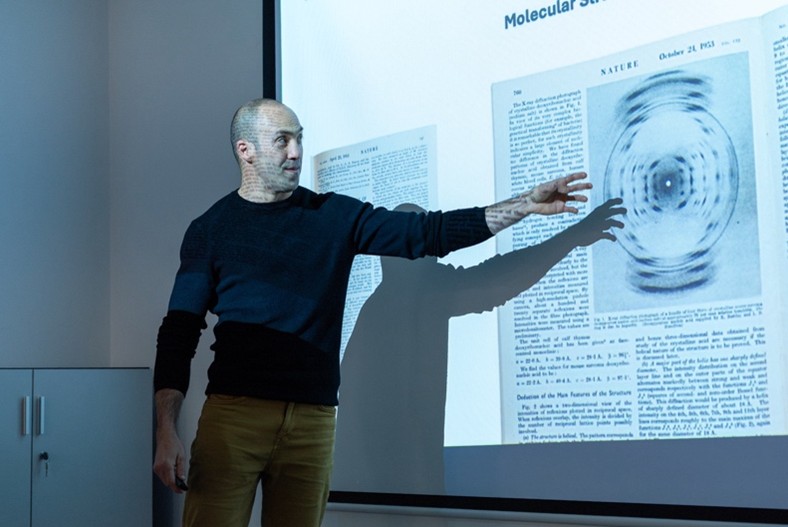
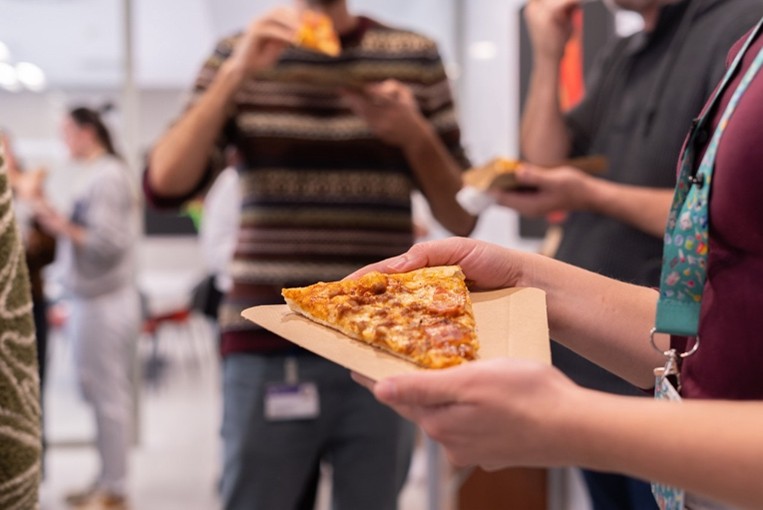
The Biophyzza 2026 event “May the (membrane) Force be with you” was successfully held at the Instituto de Tecnologías Biomédicas (ULL) in Tenerife. Despite severe weather conditions and an active storm alert, scientists and undergraduate students gathered to meet and greet Adai Colom from the Biofisika Institute (Bilbao), who shared his research on AFM in a relaxed and engaging atmosphere (with pizza in hand). The mix of science and pizza sparked lively discussions and great interaction among participants. We even managed to finish just in time! Shortly after the last slice disappeared, the alert escalated and everyone was sent home, making it a truly “storm-proof” Biophyzza.
VALENCIA
¿Ingeniería o Evolución? Una Mirada desde la Frontera de la Biofísica.
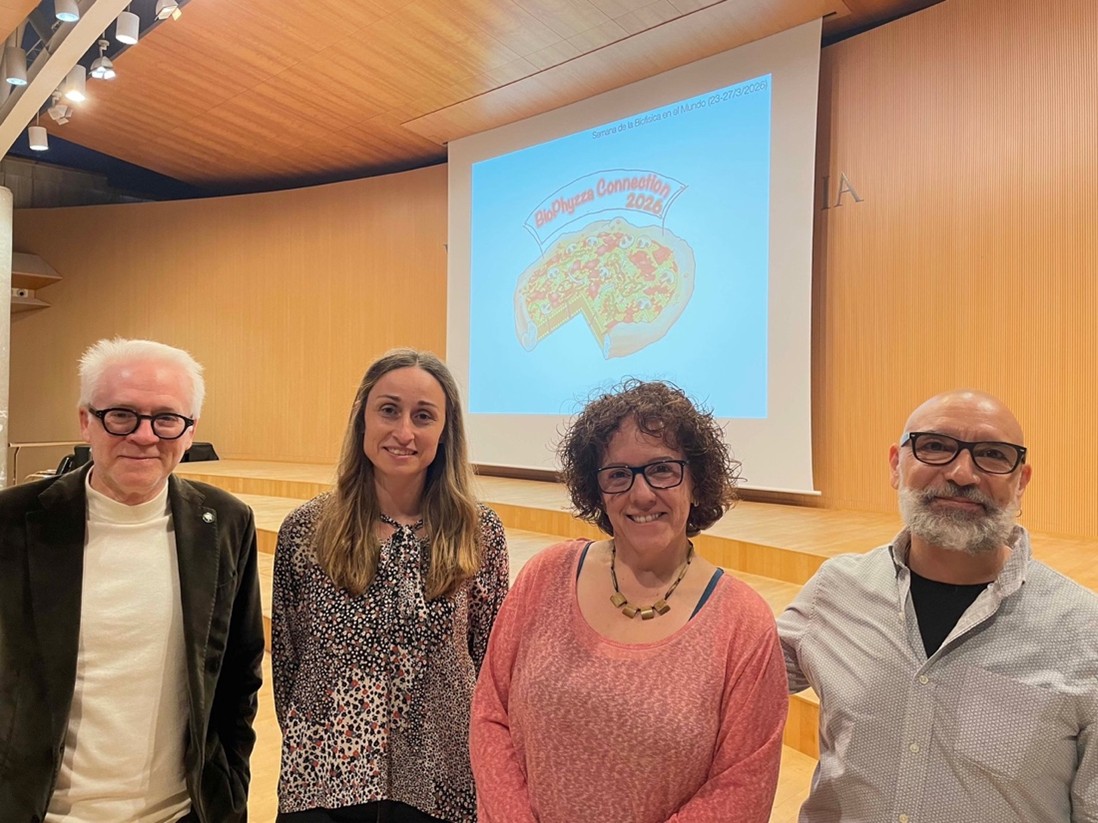
The Spanish Biophysical Society (SBE) rganized a Biophysics Week event on 25 March at the Burjassot-Paterna Campus of the University of Valencia to promote biophysics among students.
Held in the Darwin Room, the session featured the keynote lecture “Engineering or Evolution? A View from the Frontier of Biophysics” by CSIC researcher Susanna Manrubia, highlighting her interdisciplinary career.
The programme also included a panel discussion with organisers Javier Buceta (I2SysBio), Nuria Fuster (IFIC), and M. Jesús García-Murria (Biotecmed), moderated by Dean Ismael Mingarro.
The event gathered over one hundred participants and concluded with an informal pizza session to foster networking and interaction.
VIC
Biomedical nanorobots bring the medicine of the future closer at UVic-UCC.
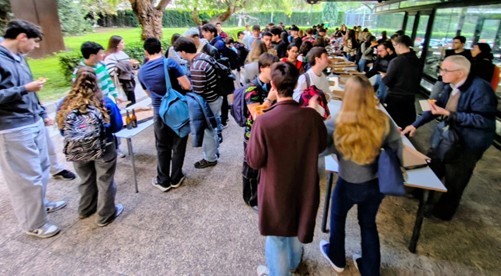
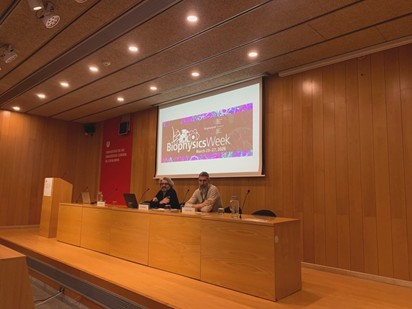
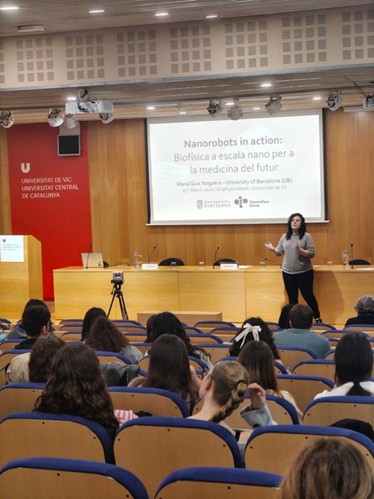
The Faculty of Science, Technology and Engineering (FCTE) at UVic-UCC held a new edition of Biophysics Week with an event organized by Carlo Manzo and Marc Lliros, which brought together around 80 people in the Aula Magna, including students and members of the general public.
The event featured a plenary lecture by Dr. Maria Guix Noguera, a Ramón y Cajal researcher at the University of Barcelona, who delivered the talk Nanorobots in action: biophysics at the nanoscale for the medicine of the future. During her presentation, she explained the operating principles and fabrication processes of these biohybrid devices, as well as their ability to move and act within the human body.
The session introduced the audience to some of the most promising applications of biomedical nanorobots, such as targeted drug delivery, minimally invasive surgery, and highly precise disease diagnosis. Guix also addressed the ethical and sustainability challenges associated with these emerging technologies, and highlighted the role of biophysics in the development of nano- and microscale tools with the potential to transform the medicine of the future.
The activity saw strong participation from first-year students in the Bachelor’s Degree in Biomedicine, who are currently taking the Biophysics course, thereby reinforcing the link between teaching, research, and science communication. The event received support from the Vice-Rectorate for Research and Knowledge Transfer at UVic-UCC and from the Ministry of Science, Innovation and Universities, as well as collaboration from the UVic-UCC Scientific Outreach Unit, the Scientific Literature Gatherings, and the Spanish Biophysical Society.
ZARAGOZA
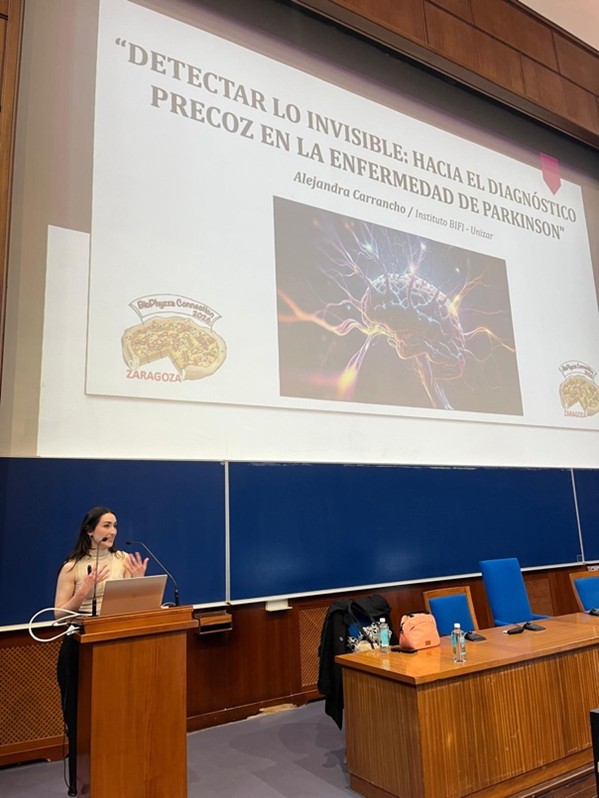
Detectar lo invisible: hacia el diagnóstico precoz en la enfermedad de Parkinson.
De la inteligencia natural a la IA y del botellín al Cotegín
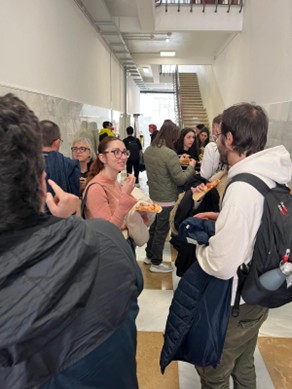
Following the success of previous editions, this year Biophyzza Connection Zaragoza was held in the Aula Magna of the Faculty of Sciences at the University of Zaragoza. The event was locally organized by an enthusiastic group of volunteers and biophysics researchers from the Institute for Biocomputation and Physics of Complex Systems (BIFI).
The program featured two highly engaging outreach talks focused on biophysics. On the one hand, early-career researcher Alejandra Carrancho explored the relationship between amyloid protein aggregation and the development of neurodegenerative diseases, as well as its application in the design of early diagnostic methods. Her talk, entitled “Detecting the invisible: towards early diagnosis in Parkinson’s disease”, was met with great enthusiasm by the audience.
On the other hand, Professor José A. Carrodeguas delivered an engaging and accessible talk on the use of artificial intelligence in the development of tools for studying gene expression. During his presentation, he demonstrated how these approaches enable the analysis of large-scale biological data to uncover hidden patterns in gene activity, with promising applications such as early disease detection, personalized medicine, and the design of targeted therapies.